
How This Work is Approached
Most tree work focuses on outcomes.
I focus on understanding.
Understanding why a tree grows the way it does — and how it lives and dies — sits at the heart of how I work. You can’t work well on trees without understanding them. Trees have their own genetic blueprint for growth, but they are also shaped by environment, age and previous tree work. These factors make every tree unique, even within a single species — and they deserve to be treated that way.
A Science-led Approach
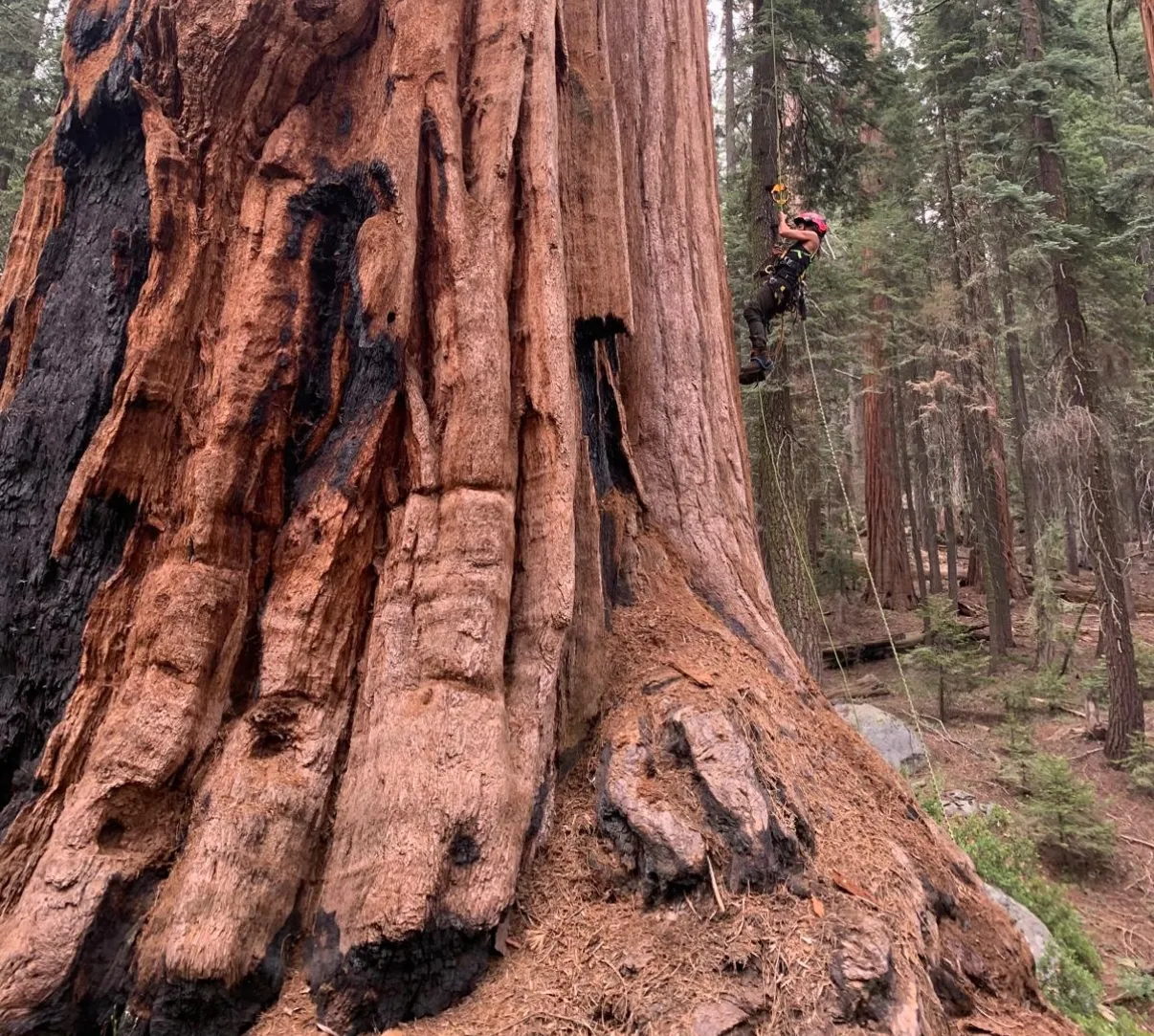
I came to arboriculture through a background in molecular biology. It shapes how I see the discipline — as something still evolving, and worth approaching with curiosity, critical thought and care. Arboriculture is a young and rapidly developing discipline. I stay engaged with current research to understand how new knowledge can meaningfully improve the way trees are cared for in real places.
Where good evidence exists, it is applied.
Where it doesn’t, the work is approached cautiously and with restraint.
If You’re Here Because You Need Tree Work
You want someone skilled, calm, careful, and principled.
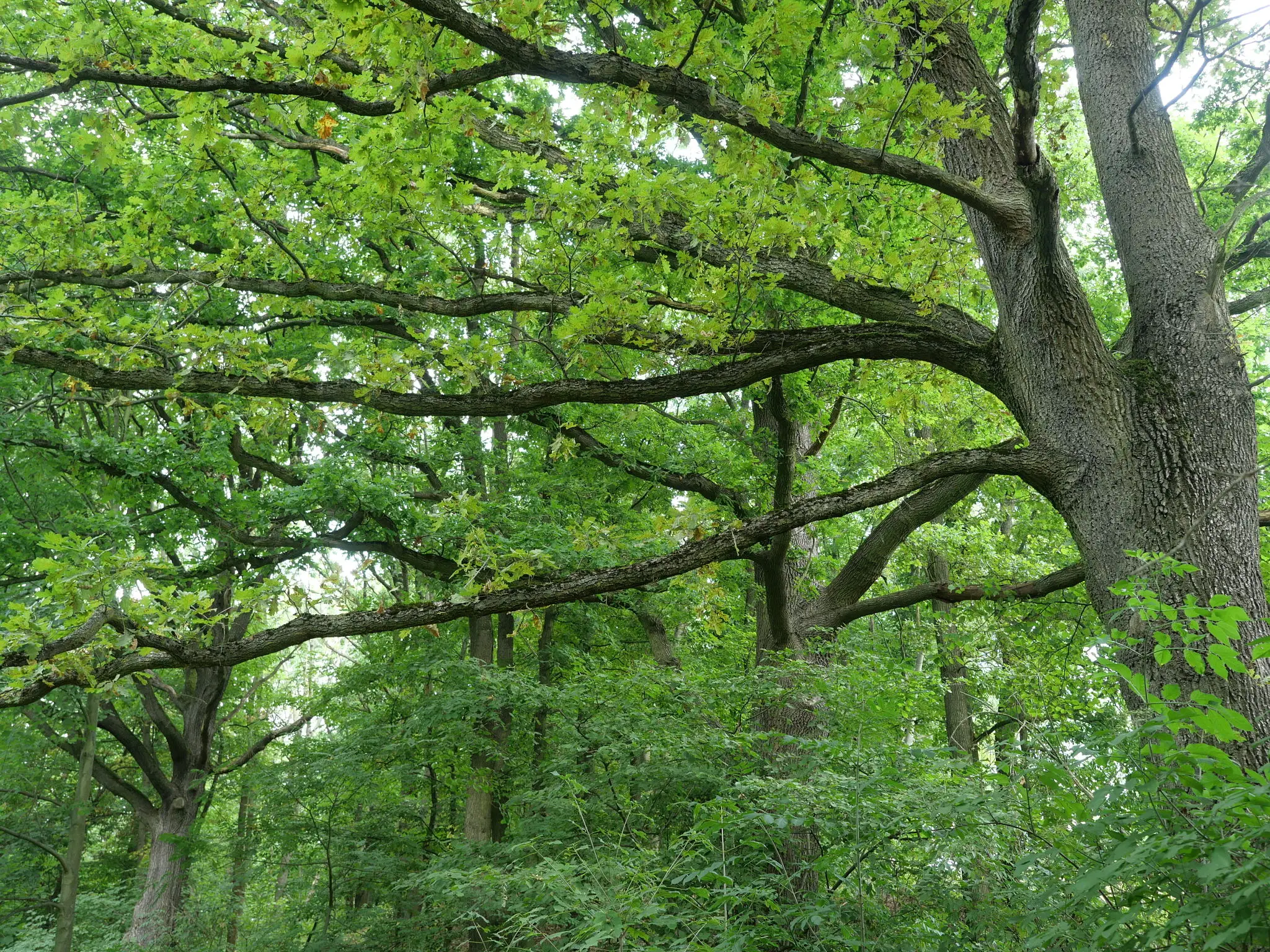
Pruning work is carried out predominantly with a hand saw. It keeps the worker physically connected to the tree and allows the properties of the wood to be read as the work progresses. It’s also quiet — and a calm working environment matters, both for the people involved and for the tree.
Chainsaws are used only when necessary, and electric saws are prioritised where appropriate to reduce noise and disruption.
If You’re Here Because You Love Trees
You’re looking for insight, science, stories, and a deeper way of seeing.
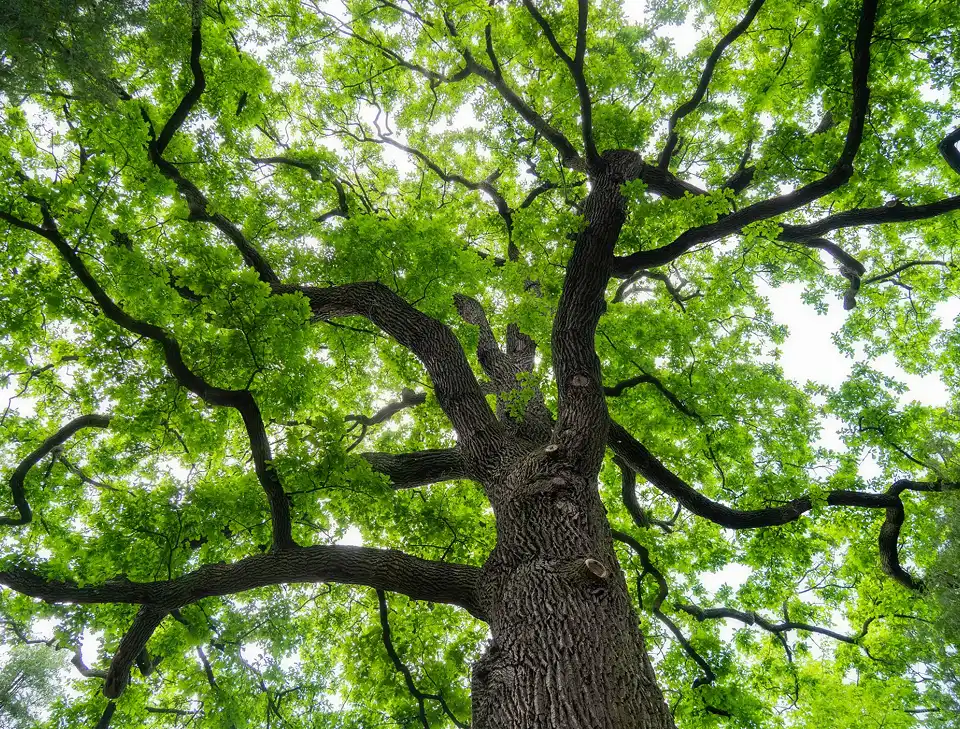
Alongside practical tree care, I create writing and educational videos that bridge the gap between scientific understanding and the human experience of trees. Not to romanticise them, but to see them more honestly. I’ve found that the more truthfully we understand trees, the more meaningful our relationship with them becomes — and often, the more gently we understand ourselves.
If you work with me, you’re paying for more than technical competence. You’re paying for close attention, careful judgment, and a way of working shaped by curiosity, study, and lived experience in trees.
This isn’t mass-produced tree work.
It’s careful work, done with intent.